

Cosmetic Services We Offer
Cosmetic dentistry focuses on improving the appearance of your smile while keeping your results natural and balanced. We offer personalized treatments to address concerns such as tooth color, shape, and overall smile appearance, helping you feel more confident in your smile.
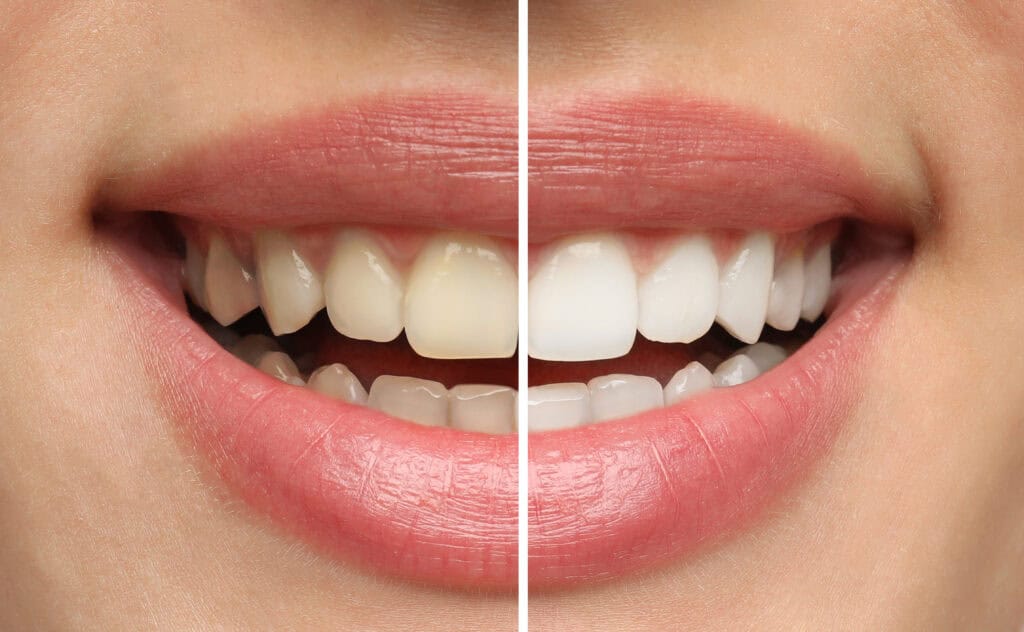
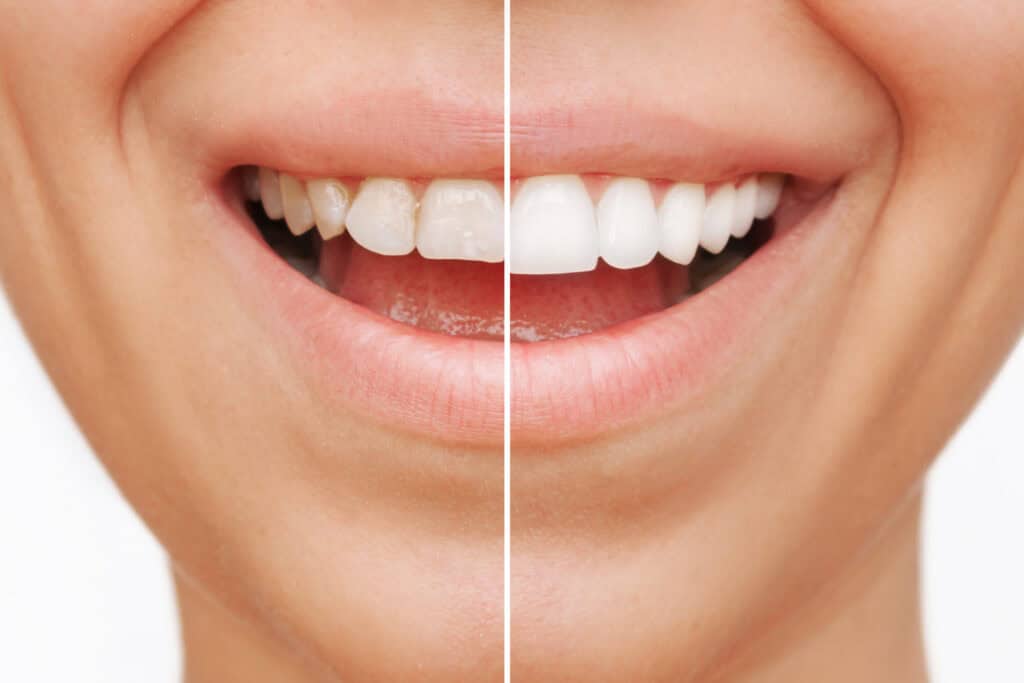
Teeth Whitening
Professional whitening can brighten the natural color of your teeth and reduce discoloration caused by aging and common staining foods and beverages. At New Park Dentistry, we offer two options: in-office Philips Zoom whitening and custom take-home whitening trays.
In-Office Zoom Whitening
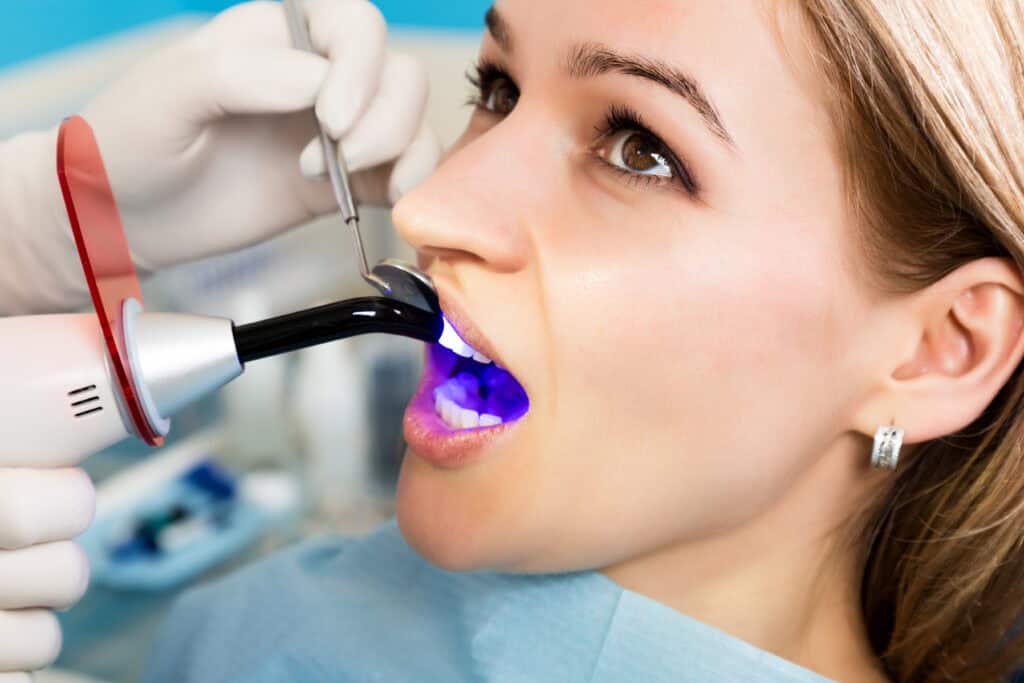
Philips Zoom whitening is completed in the office during an appointment of approximately two hours. Treatment is performed by our dental team, and patients who choose in-office Zoom can also receive custom whitening trays and professional whitening gel for future touch-ups.
Custom Take-Home Whitening
For patients who prefer to whiten at home, we take an alginate impression of your teeth and have custom trays made for you. The trays are used at home with whitening solution according to the instructions provided. The tray-only option includes the custom trays; whitening solution is not included.
Before Whitening
Whitening changes the color of natural teeth, but it does not change the color of existing crowns, veneers, fillings, or other restorations. Some patients experience temporary tooth sensitivity during or after whitening. For approximately one week after treatment, we recommend avoiding foods and drinks that could stain a shirt, including coffee, tea, red wine, berries, cola, tomato-based foods, and other deeply colored foods and beverages.
Frequently Asked Questions
Cosmetic Crowns & Veneers
Veneers and cosmetic crowns can both improve the appearance of teeth, but they are used for different situations. We evaluate the condition of the tooth, your bite, and the changes you would like to make before recommending treatment.
Veneers
A veneer is a thin restoration bonded to the front surface of a tooth. Veneers can change the color, shape, size, and overall appearance of teeth and may address concerns such as discoloration, minor chips, small spaces, or uneven tooth shape. Veneers require preparation of the tooth, with the amount depending on the tooth and treatment plan.
Cosmetic Crowns
A cosmetic crown covers the visible portion of a tooth and provides both structural restoration and cosmetic improvement. A crown may be a better option when a tooth has significant damage, extensive existing restorations, a fracture, or another condition requiring more coverage than a veneer provides.
What to Expect
We evaluate your teeth, gums, and bite and discuss the changes you would like to make before treatment begins. For custom veneers and crowns, we use digital impressions with intraoral scanning to capture your teeth and bite. The tooth is prepared according to the treatment plan, and a temporary restoration may be placed while the final restoration is being made. Before final placement, we evaluate the restoration for fit, bite, color, shape, and overall appearance.
Frequently Asked Questions
Composite Bonding
Composite bonding uses tooth-colored resin to make smaller, conservative changes to the appearance of individual teeth. It can be used to repair minor chips, reshape tooth edges, close small spaces, add limited shape or length, and improve certain uneven areas.
What Bonding Can Address
Because composite is applied directly to the tooth, bonding can be a more conservative option than a veneer or crown for appropriate smaller cosmetic concerns. Many bonding procedures can be completed in a single visit.
What to Expect
The tooth is prepared before the composite resin is applied and shaped. The material is hardened with a curing light and then finished and polished to blend with the tooth.
Caring for Bonding
Composite can stain, chip, or wear over time. Good brushing and flossing, regular dental visits, and avoiding habits such as biting hard objects can help protect the restoration. We monitor bonded teeth during routine examinations and can repair or replace bonding when needed.