

Family and Preventative Services We Offer
Preventive dentistry is the foundation of a healthy smile. We provide comprehensive care for patients of all ages, including routine exams, cleanings, digital X-rays, and other preventive treatments designed to identify concerns early and keep your teeth and gums healthy.


Exams & Cleanings
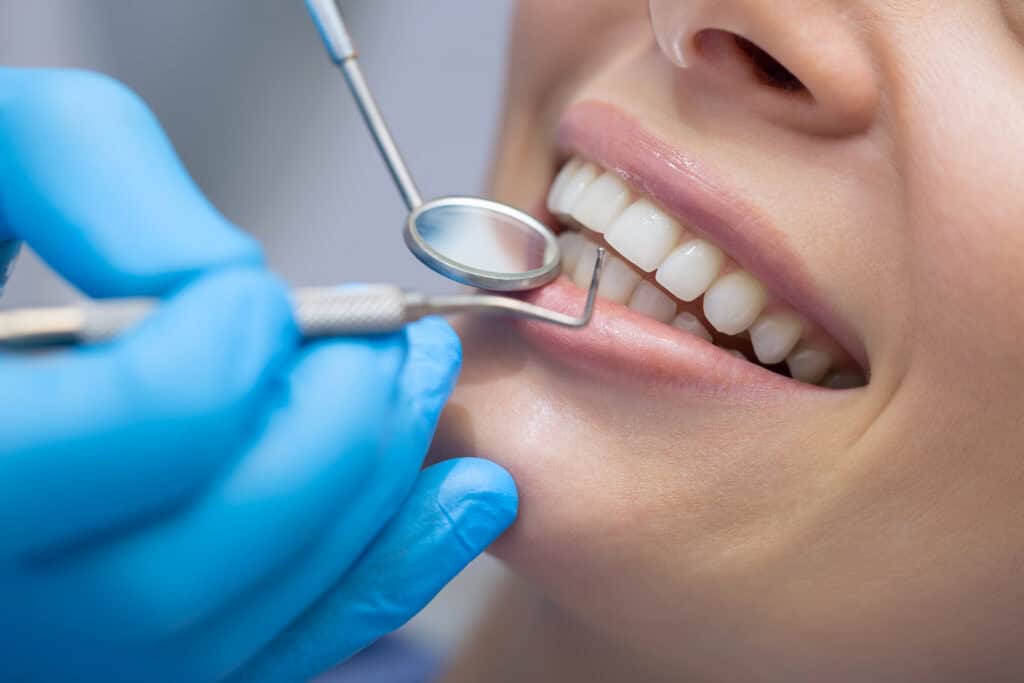
Routine dental examinations and professional cleanings give us the opportunity to monitor your oral health, remove plaque and calculus, and identify changes before they become more involved. Your hygienist provides the cleaning and evaluates your gum health, while the dentist examines your teeth, gums, bite, existing dental work, and oral tissues.
Professional Cleaning
Your hygienist removes plaque and calculus using hand and ultrasonic instruments, then polishes the teeth to remove surface deposits. Your hygienist can also review home-care techniques based on your individual needs.
Dental Examination
During your examination, we evaluate your teeth, gums, bite, existing restorations, and surrounding oral tissues. We look for cavities, gum disease, tooth wear, cracks, changes around existing dental work, and other concerns. An oral cancer screening is also part of your examination.
Digital X-Rays
We typically take a set of bitewing X-rays once a year. These images show the areas between the teeth where cavities can develop and allow us to evaluate the supporting bone. We also use panoramic X-rays for a broader view of the teeth, upper and lower jaws, and surrounding structures. Additional X-rays may be taken when a specific concern or treatment requires more information.
Fluoride
Fluoride strengthens tooth enamel and helps protect against decay. Professional fluoride treatment is part of our preventive care and is especially important for children as their permanent teeth develop.
Frequently Asked Questions
Periodontal Maintenance
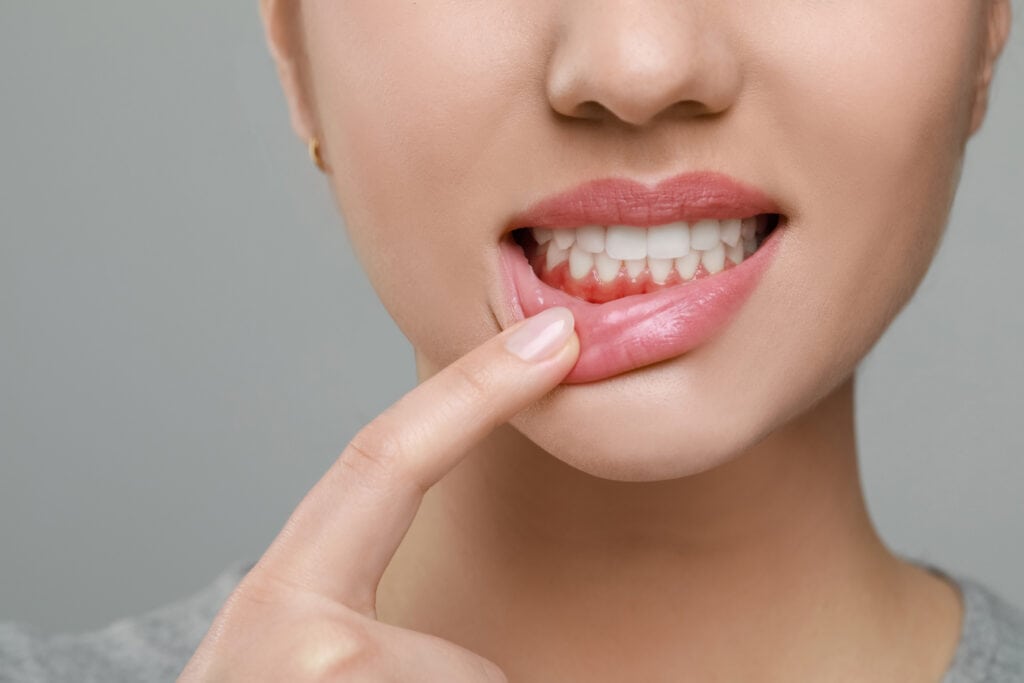
Periodontal disease affects more than the gums. As the disease progresses, it can damage the tissues and bone that support the teeth and may eventually affect tooth stability. Plaque that remains around the teeth can harden into calculus and contribute to inflammation. Early gum inflammation is known as gingivitis, while periodontitis affects the deeper supporting tissues and bone.
Periodontal Treatment
The type of treatment depends on the condition of your gums and the amount and location of plaque and calculus. Debridement may be recommended when heavy buildup prevents a complete periodontal evaluation or routine cleaning. When disease has progressed below the gumline, scaling and root planing (SRP) is a deeper nonsurgical treatment used to remove plaque and calculus from the tooth surfaces and periodontal pockets and to clean and smooth the root surfaces.
Ongoing Periodontal Maintenance
Periodontal maintenance is ongoing care for patients who have been treated for periodontal disease. These visits focus on areas affected by the disease, removal of plaque and calculus, and continued monitoring of the gums and supporting structures. Daily home care and regular periodontal maintenance work together to help manage periodontal disease over time.
Frequently Asked Questions
Dental Sealants
Dental sealants are thin protective coatings placed into the grooves and pits on the chewing surfaces of back teeth. These areas can be difficult to keep clean because plaque and food can collect in the natural grooves. We typically recommend sealants as a child’s permanent molars come in, providing added protection while those teeth are newly erupted and brushing habits are still developing. Sealants can also be useful for older children or adults when tooth shape or individual cavity risk makes additional protection appropriate.
What to Expect
The tooth is cleaned and prepared before the sealant material is placed into the grooves. The material is then hardened with a curing light. Sealants do not require removal of healthy tooth structure.
Maintaining Your Sealants
Sealants protect the surfaces they cover, but they do not protect between the teeth or replace daily brushing, cleaning between the teeth, fluoride, or regular dental visits. We check sealants during routine examinations and can repair or replace them when needed.
Frequently Asked Questions
Mouthguards & Nightguards
Mouthguards and nightguards serve different purposes. A sports mouthguard helps protect the teeth from impact, while a nightguard helps protect the teeth from the effects of grinding and clenching. We use intraoral scanning to create digital impressions for custom appliances and work with dental laboratories to fabricate them for your teeth.
Sports Mouthguards
A custom sports mouthguard helps protect the teeth and surrounding oral tissues during athletic activities where the mouth may be exposed to impact.
Nightguards for Grinding & Clenching
Grinding and clenching can place repeated forces on the teeth and contribute to wear, chips, cracks, sensitivity, or damage to existing dental work. A nightguard creates a barrier between the upper and lower teeth while you sleep, helping protect the teeth from direct contact and repeated forces.
Jaw Pain & TMJ Symptoms
For some patients, grinding or clenching contributes to muscle tension or stress on the jaw joints. An appropriately designed occlusal appliance may be part of conservative care for certain jaw or TMJ-related symptoms. Because jaw symptoms can have different causes, we evaluate your teeth, bite, and symptoms before recommending an appliance.