

Restorative Services We Offer
When your teeth have been damaged, worn, or lost, restorative dentistry can help rebuild their strength, function, and appearance. We provide personalized restorative treatments designed to protect your natural teeth, restore comfortable function, and help you maintain a healthy smile for years to come.


Fillings
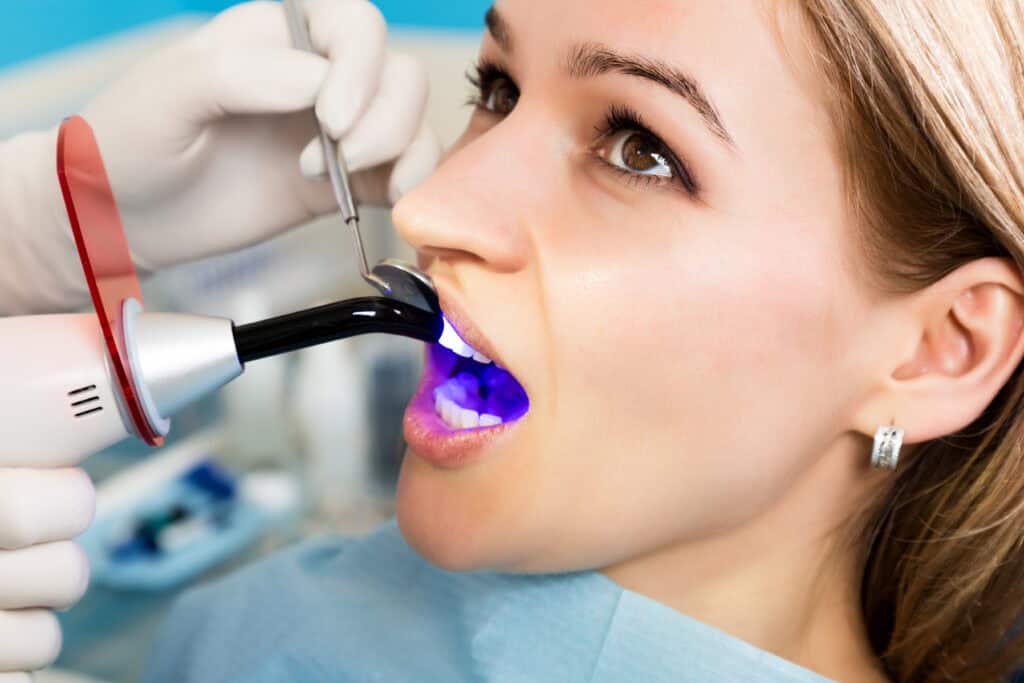
Cavities develop when acids produced by plaque and bacteria weaken the tooth. Treating decay before it progresses allows us to restore the affected area while preserving as much healthy tooth structure as possible. At New Park Dentistry, we use tooth-colored composite resin fillings for cavities and certain minor areas of damage. The composite is bonded to the tooth and shaped to restore its natural contour and function.
When a Filling Is Recommended
Fillings are primarily used to treat cavities and may also be appropriate for certain small chips, cracks, or areas of wear. When a tooth has lost more structure than a filling can predictably restore, a larger restoration may provide better support.
What to Expect
The tooth is numbed before the affected area is removed and cleaned. Composite material is then placed, shaped, hardened, and adjusted to your bite. Temporary sensitivity can occur after treatment. If your bite feels high or uncomfortable after the numbness wears off, contact our office so we can evaluate and adjust the filling.
Frequently Asked Questions
Crowns, Bridges, Inlays & Onlays
When a tooth has more damage or weakened structure than a filling can adequately restore, a larger restoration may be recommended. These restorations can protect remaining tooth structure and restore function; bridges can also replace missing teeth.
Dental Crowns
A dental crown covers the visible portion of a tooth to restore its strength, shape, and function. Crowns may be recommended for teeth with extensive decay, large existing fillings, cracks or fractures, significant damage, or teeth that have undergone root canal treatment. Crowns can also be used to restore dental implants.
Dental Bridges
A dental bridge replaces one or more missing teeth by using neighboring teeth or dental implants for support. The replacement teeth fill the space left by missing teeth and restore function in that area.
Inlays & Onlays
Inlays and onlays are custom restorations for teeth that need more support than a traditional filling can provide but do not require a full crown. An inlay fits within the cusps of the tooth, while an onlay extends over one or more cusps. When appropriate, these restorations can support the tooth while preserving more of the remaining natural tooth structure.
What to Expect
Crowns and bridges are typically completed over two appointments. At the first visit, the tooth or teeth are prepared for the restoration. This may include removing decay or an existing restoration, rebuilding areas that need support, and shaping the tooth. We use digital impressions to record the prepared teeth and bite, and a temporary restoration is placed while the final restoration is being made.
The permanent restoration is typically ready about three weeks later. At the second appointment, we evaluate its fit, bite, and appearance before it is cemented or bonded. Inlays and onlays follow a similar process, although the exact timing and preparation depend on the tooth and restoration being made.
Frequently Asked Questions
Dentures
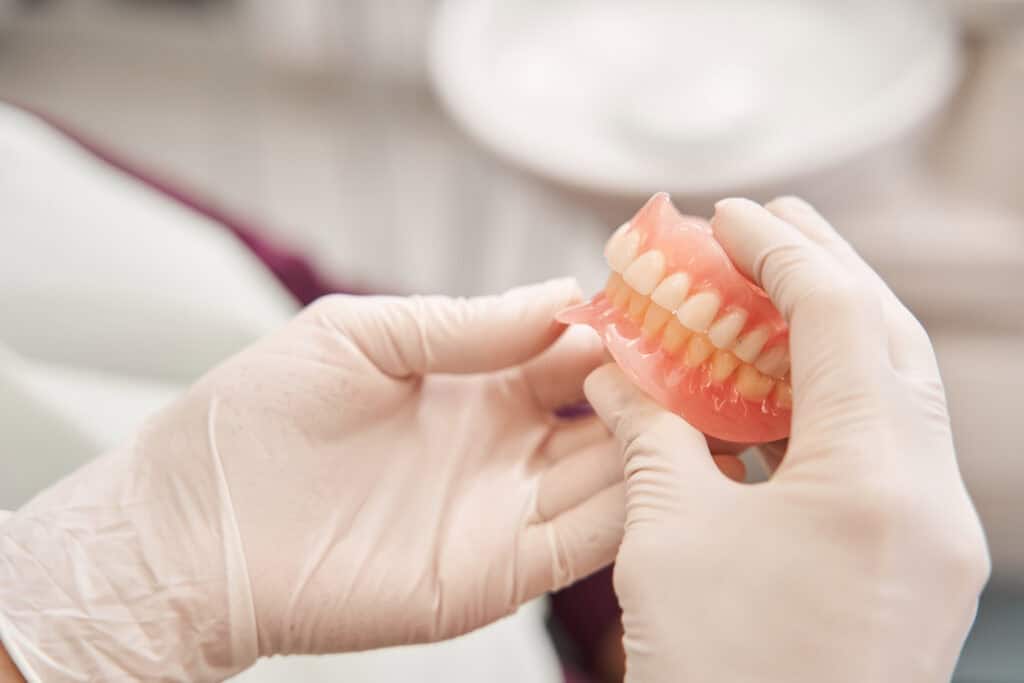
Dentures replace multiple or all missing teeth and can restore chewing, speaking, and the appearance of your smile. We offer full and partial dentures as well as implant-supported options.
Full & Partial Dentures
A full denture replaces all of the teeth in an upper or lower arch. A partial denture replaces several missing teeth while fitting around the natural teeth that remain. We evaluate your teeth, gums, bite, and the areas where teeth are missing before recommending the type of denture that best fits your needs.
Implant-Supported Dentures
Dental implants can provide additional support for a denture. Depending on the design, an implant-supported denture may be removable or fixed and can provide greater stability than a conventional removable denture.
What to Expect
We take the records and measurements needed to design your denture, and digital scanning may be used when appropriate for the restoration being made. Once the denture is ready, we evaluate its fit, function, and appearance and make adjustments as needed. A new denture can feel unfamiliar at first, and eating or speaking may feel different while you become accustomed to the restoration. Follow-up adjustments can help improve comfort as you adapt.
Frequently Asked Questions
Implant Restoration
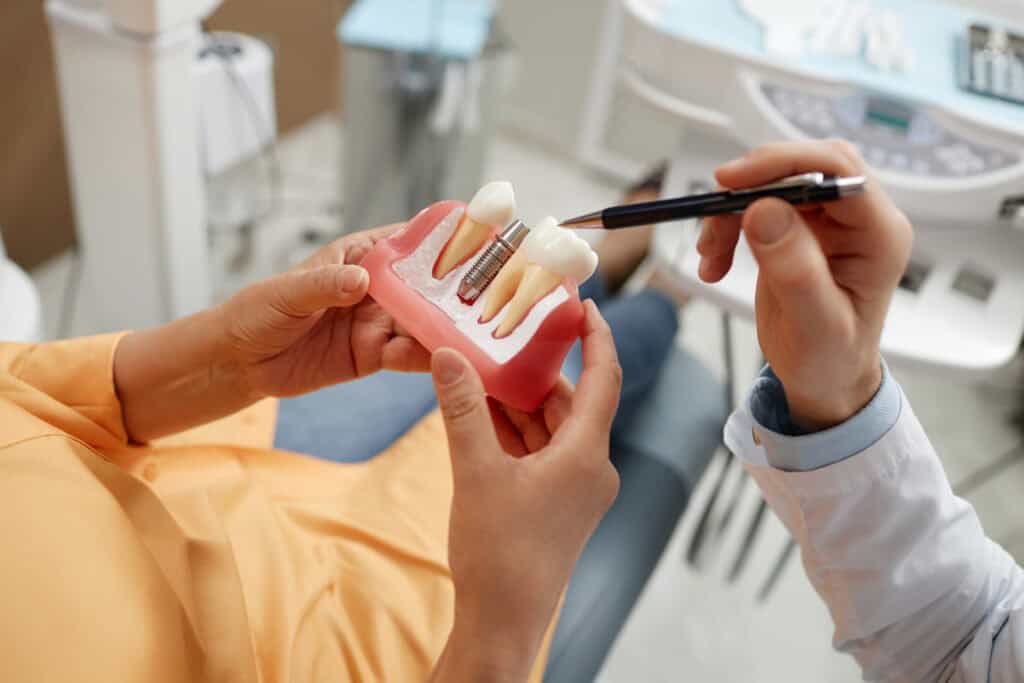
A dental implant is a small post placed in the jawbone that serves as the foundation for replacing a missing tooth. Once the implant has healed and is ready for restoration, it can support a crown, bridge, or denture. At New Park Dentistry, we provide the restorative portion of implant treatment and work with the oral surgeons we refer to as well as other oral surgeons who place implants.
Replacing Missing Teeth
A single implant can support a custom crown to replace one missing tooth. Multiple implants can support a bridge or denture when several teeth are missing.
What to Expect
Once the implant surgeon determines that the implant is ready to restore, we take digital impressions using intraoral scanning to capture your teeth and bite. These records are used to create the custom restoration. When the restoration is ready, we evaluate its fit and bite before completing treatment.
Caring for Your Implant Restoration
Implant restorations should be cleaned regularly, much like your natural teeth. Daily brushing, cleaning between the teeth, and routine dental visits are important for maintaining the restoration and the tissues surrounding the implant.
Frequently Asked Questions
Oral Surgery & Extractions
Whenever possible, preserving your natural tooth is the goal. However, some teeth are too damaged, decayed, fractured, infected, or compromised by loss of supporting structures to be predictably restored. When extraction is necessary, we focus on comfortable treatment and helping you understand how the area will heal and what options may be available afterward.
When an Extraction May Be Necessary
An extraction may be recommended when a tooth has extensive decay, a severe crack or fracture, significant damage or infection, advanced loss of supporting bone or gum tissue, or another condition that makes saving the tooth unlikely. Before recommending removal, we evaluate the tooth and discuss whether another treatment can predictably save it.
What to Expect
The area is thoroughly numbed before treatment. After the tooth is removed, you receive instructions for caring for the extraction site and supporting normal healing. Some soreness, swelling, bruising, or jaw stiffness can occur after an extraction.
Healing After an Extraction
A blood clot forms in the extraction site and is an important part of normal healing. During the initial healing period, it is important to avoid disturbing the area. Smoking, using a straw, vigorous rinsing, and other activities that disrupt the site can interfere with healing and increase the risk of dry socket.
Replacing a Missing Tooth
An extraction may be the first step toward replacing a missing tooth. Depending on your situation, options may include a dental implant, bridge, partial denture, or another restorative treatment. We will discuss replacement options with you and help determine what makes sense for your oral health and function.
Frequently Asked Questions
Root Canal Treatment
When a tooth becomes infected or the nerve inside the tooth becomes damaged, root canal treatment can relieve discomfort and help preserve the natural tooth. At New Park Dentistry, we evaluate teeth with signs of infection or nerve damage and provide root canal treatment when appropriate. For cases that require specialized endodontic care, we work with trusted specialists and continue your care in our office once treatment is complete.
What Is a Root Canal?
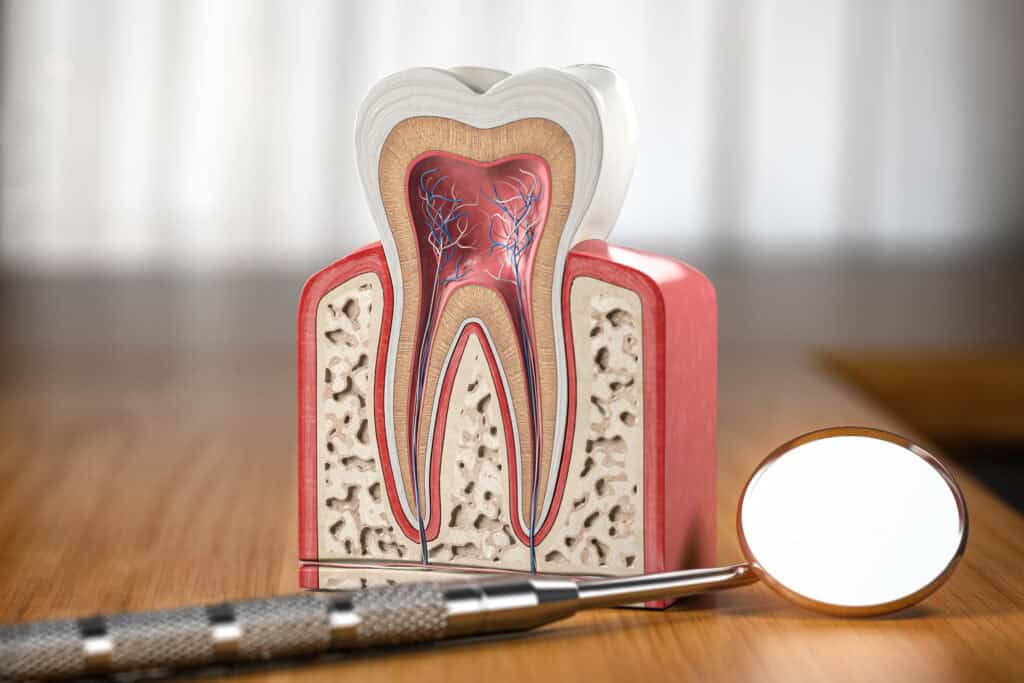
A root canal is a procedure used to treat infection or inflammation within the inner portion of a tooth. During treatment, the affected tissue is removed, the inside of the tooth is carefully cleaned and disinfected, and the tooth is sealed to help prevent further infection.
The goal is to eliminate the source of the problem while preserving your natural tooth whenever possible.
When Might a Root Canal Be Needed?
A root canal may be recommended when the nerve or pulp of a tooth has become damaged or infected. Signs that may indicate a problem include:
- Persistent or severe tooth pain
- Sensitivity to hot or cold that lingers
- Pain when biting or chewing
- Swelling or tenderness around the tooth
- A darkened or discolored tooth
- An abscess or other signs of infection
Not every tooth that requires treatment will cause noticeable symptoms, which is why an evaluation is important when there is concern about a tooth.
What Can You Expect?
We will first examine the affected tooth and may take digital X-rays to determine what is causing the problem. For appropriate cases, we can perform root canal treatment in our office. When a tooth requires more specialized endodontic treatment, we may refer you to a trusted endodontic specialist.
Whether treatment is completed in our office or by a specialist, we remain involved in your care. Once the root canal has been completed, we can restore the tooth in our office to help return it to proper function and protect it from further damage.
Restoring Your Tooth After a Root Canal
Following root canal treatment, the tooth will often need a permanent restoration. Depending on the tooth and the amount of remaining structure, this may include a filling or dental crown.
Our team will evaluate the treated tooth and recommend the restoration that best suits your individual needs. Completing your restorative care in our office allows us to help you maintain the health, strength, and function of your natural tooth.
Preserving Your Natural Tooth
When possible, saving a natural tooth is often preferable to removing it. Root canal treatment can eliminate infection, relieve symptoms, and allow the tooth to remain functional.
At New Park Dentistry, our priority is thoughtful, individualized care. When specialized treatment is needed, we coordinate with trusted specialists while continuing to care for your tooth before and after treatment.